This website will be beneficial in helping someone to plan their future through many advantages and resources. In this website it consists of survey that help you learn about yourself and find out what you would want to do in life. It also gives you many career choices and many of which you have never heard from. With the career it shows you want classes you need to take, the annual of monthly salary, major features, and etc. Also GACollege411.org gives you a college and high school planning tool to use in order to keep yourself on track. And they gives out free resume builder and job interview practice.
20. Know the difference between wire frame models, surface, and solid models Wire-frame models are undoubtedly the least complicated when compared to the other two categories. In a wire-frame model, all the surfaces of the physical object (including the opposite ends and internal components) are represented through bare lines and arcs. Due to the simple drawing techniques used in wire-frame models, they may not be suitable for complicated projects that require uncompromising realistic effects. Surface models are more realistic than wire-frame models, but not nearly as much as solid models. Unlike wire-frame models, they are created by merging 3D surfaces instead of bare lines and arcs. A three-dimensional surface is more like a piece of paper that can be placed at various angles to specify different shapes. So basically, in surface modeling, designers join multiple surfaces to give it the desired shape as well as to hide the backgrounds that need not be seen. Solid models are vastly different from the other two types of models on the ground that they are solid inside. In other words, solid modeling can be referred to as a technique used to combine a number of "solid objects" into a single 3D design. Much like a physical object, a solid model also has additional properties like density, weight and center of gravity because of which it is most preferred choice when it comes to designing prototype of a mechanical product.
Technology: the study of the designed world. Used to solve practical problems and extend human capabilities. Developments in technology are evolutionary, and are often the result of a series of refinements to an idea or basic invention.
Impacts of Technology: are divided into four categories: social (the impact on people), political (the impact on policy and laws), cultural (the impact on human achievement), and economic (the impact on the economy).
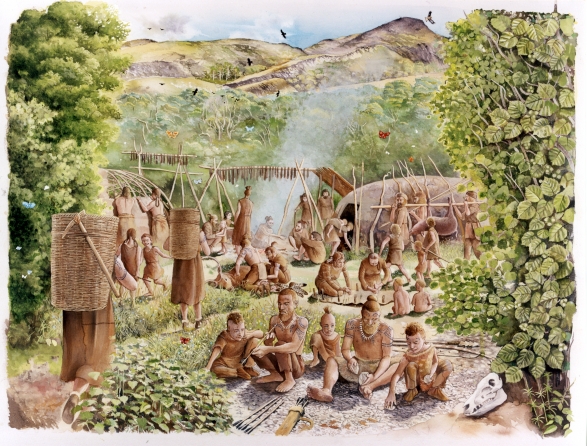
Paleolithic Age: the Old Stone Age, occurred between 500,000 BC and 10,000 BC and is marked by improvements to diet and security allowing the population to grow.
Mesolithic Age: the Middle Stone Age, occurred between 10,000 BC and 4,000 BC and is marked by the domestication of animals and agriculture. Neolithic Age: the New Stone Age, occurred between 4,000 BC and 2,300 BC and is marked by specialization, division of labor, and the use of math and documentation of concepts. Bronze Age: the architectural period that includes combining copper and tin to produce bronze; occurred between 2,300 BC and 700 BC.
Iron Age: the architectural period marked by the use of iron and steel; occurred between 700 BC and 450 AD.
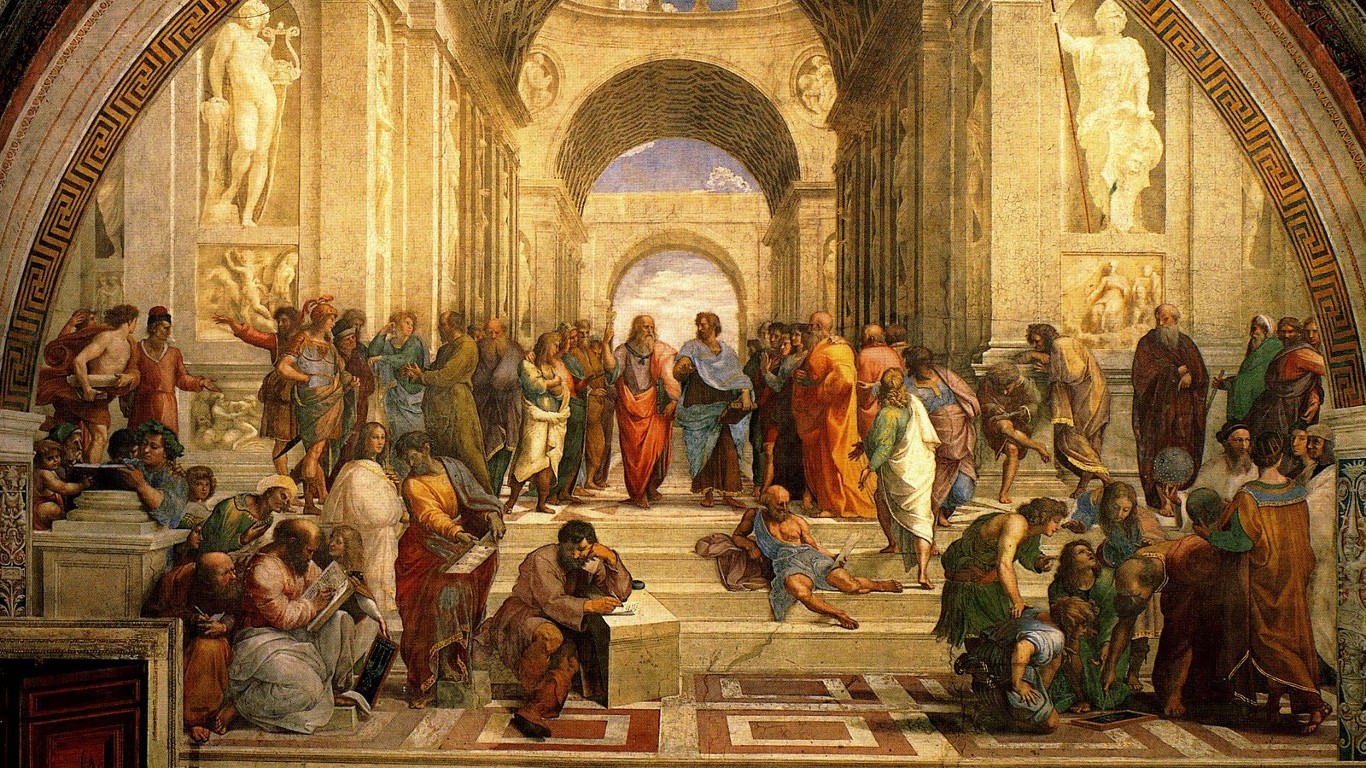
Middle Ages: the architectural period after the Roman Empire; divided into Early Middle Ages, High Middle Ages, and Late Middle Ages; occurred between 450 AD and 1,400 AD and marked by the development of tools of war. Renaissance: the architectural period marked by the revival of classical influence and the sharing of ideas; occurred between 1,400 AD and 1,750 AD.
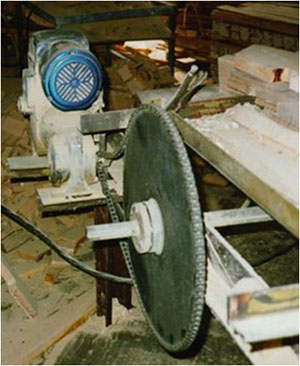
Industrial Age: the architectural period marked by the first use of complex machinery, factories and urbanization, occurring between 1,750 AD and 1,950 AD.
Information Age: the architectural period marked by information sharing, gathering, manipulation, and retrieval; occurred between 1,950 AD and present.
The project was a failure due certain circumstances. So me and two of my group members used a balloon a tied it up in different areas. And we were able to make it a bit stable . Then we applied duck tape to the center of it , and another area . Where we will apply a straw to make a supporter to keep the vehicle attached to the string. So we used a Popsicle stick as the passenger and we thought poking a hole in the vehicle would work . But it turned out to be a failure.
Reverse engineering can help me become a better problem solver and later on a better engineer is through many ways. It allows me and helps me to see the loop holes through certain problematic situations. It trains me how to use whatever I have to make something amazing with such little resources. This can train me on how objects that don't seem important can be of great importance later on.